
The Science Behind Fidget Toys: How They Work
- jlecouilliard
- Nov 16, 2023
- 2 min read
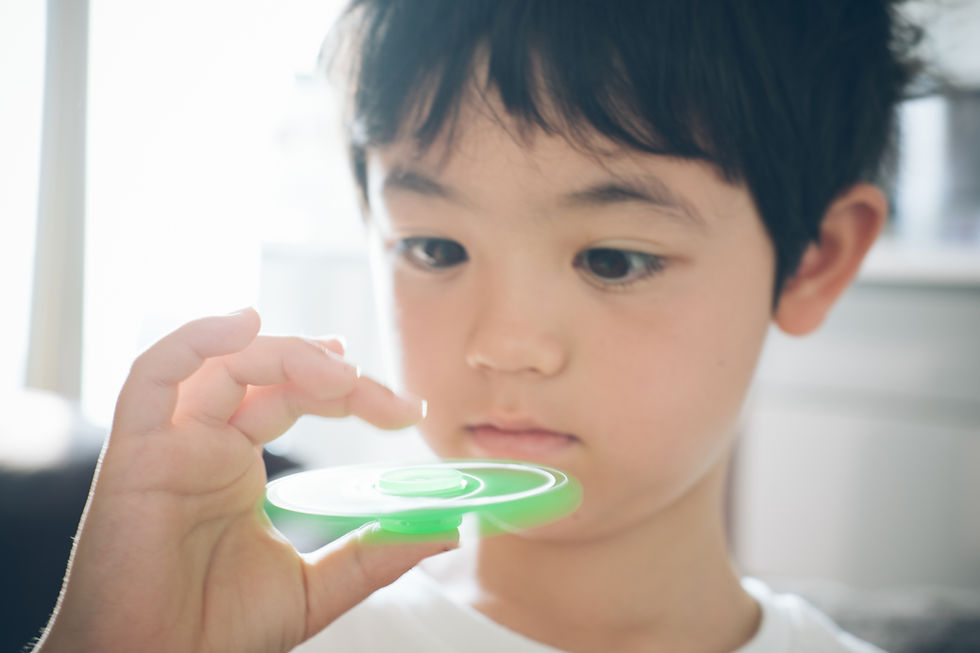
The Science Behind Fidget Toys: How They Work Fidget toys have become increasingly popular in recent years, with people of all ages using them to help improve focus and relieve stress. But have you ever wondered how these small handheld devices actually work? In this blog post, we will explore the science behind fidget toys and how they can benefit individuals in various ways. One of the key mechanisms behind fidget toys is sensory stimulation. These toys are designed to provide different tactile experiences, such as squeezing, twisting, or spinning. When we engage in these repetitive movements, it activates our sensory receptors, which send signals to our brain. This sensory input can help to calm our nervous system and improve our ability to concentrate. Research has shown that fidget toys can be particularly beneficial for individuals with attention deficit hyperactivity disorder (ADHD) or autism spectrum disorder (ASD). These individuals often have difficulty regulating their sensory input and may struggle with staying focused. Fidget toys provide a controlled and repetitive sensory experience, which can help to redirect their attention and improve their ability to concentrate. Furthermore, fidget toys can also help to reduce anxiety and stress. When we engage in repetitive movements, it can have a soothing effect on our nervous system. This can help to lower our heart rate and blood pressure, and promote a sense of calmness and relaxation. Fidget toys can be particularly helpful in situations where individuals may feel overwhelmed or anxious, such as during exams or public speaking. There are various types of fidget toys available, each offering a unique sensory experience. For example, stress balls provide a squishy texture that can be squeezed and manipulated. Fidget spinners offer a spinning motion that can be mesmerizing to watch. Tangle toys provide a twistable and bendable experience. By experimenting with different types of fidget toys, individuals can find the one that best suits their sensory needs. In addition to their sensory benefits, fidget toys can also improve fine motor skills and hand-eye coordination. The repetitive movements required to manipulate these toys can help to strengthen the muscles in our hands and fingers. This can be particularly beneficial for individuals who may have difficulties with fine motor skills, such as those with developmental disorders or arthritis. In conclusion, fidget toys are not just simple gadgets to keep our hands busy. They have a scientific basis and can provide numerous benefits for individuals of all ages. From improving focus and concentration to reducing anxiety and stress, these intriguing toys have the power to make a positive impact on our well-being. So, the next time you reach for a fidget toy, remember the science behind it and embrace the benefits it can bring.


Comments